























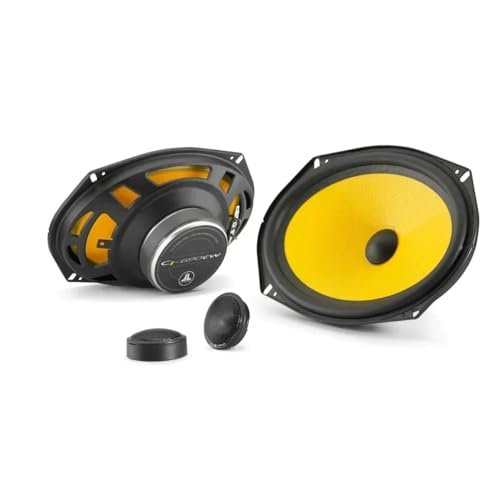
Replacing car speakers involves more than matching the diameter of the original driver. Coaxial and component systems organize their drivers differently, and the better choice depends on the vehicle, installation space and listening goals.
Understand the two layouts
A coaxial speaker places multiple drivers in one assembly, commonly with a tweeter mounted over a woofer. This can simplify installation where the vehicle has a single speaker opening and limited room for additional components.
A component system separates the woofer and tweeter. Depending on the design, it may also use separate crossover hardware. This gives the installer more control over placement, while adding mounting and wiring requirements.
Check fit before comparing specifications
Nominal speaker size is only a starting point. Mounting depth, basket dimensions, screw positions and clearance behind trim can all affect whether a speaker fits. A vehicle-specific bracket or adapter may be needed.
Confirm that the window mechanism and other moving parts will not contact the speaker. Factory tweeter locations also need checking before selecting a component system.
Match the electrical system
Check the speaker impedance against the amplifier’s supported load. Factory amplifiers may also use processing or unusual wiring arrangements that affect an upgrade. Replacing one part without understanding the original signal path can produce an unexpected result.
Compare power ratings on a consistent basis and follow the manufacturer’s recommendations. A higher peak figure is not a guarantee of better sound or a good match for the available amplifier.
Make installation part of the decision
Secure mounting, suitable wiring, correct polarity and protection from moisture all matter. In a component system, tweeter position and aiming influence the listening result. The driver is closer to one side of the vehicle, so path-length differences also need attention.
A practical upgrade fits the vehicle and works with the complete system. Choose the layout that can be installed and integrated properly, rather than assuming that one design is always superior.
Technical reference: Audison explanation of distance and delay in vehicles.